







Search Results for: Dutch cold brew coffee

The Complete Guide to Iced Coffee: From Dutch Origins to Home Cold Brew, Mastering Four Key Characteristics at Once
On a sweltering summer day, a glass of iced drink never fails to refresh the spirit. For coffee lovers, besides dropping ice cubes into hot coffee, there is another method well worth trying—cold brew coffee. It is made by steeping coffee grounds in cold water for a long time, then filtering and extracting the liquid. The result is a sweet, smooth taste with greatly reduced bitterness, carrying a faint, elusive note of fermented wine. This brewing method can be traced back to the maritime wisdom of eighteenth-century Dutch merchants. It later made its way to Japan, evolving into refined cold drip devices, and then swept across Europe and America with the third wave of coffee. This article will guide you through the historical origins and four core characteristics of cold brew coffee, and, using "Front Street Mozart" as an example, walk you step by step through making clear, sweet cold brew at home. [more…]

Why Is Cold Brew Coffee Called Dutch Coffee? A Full Analysis from Its Dutch Origins to Front Street Brewing Practices
Cold drip coffee is becoming increasingly common in cafes. Watching ice water drip through the coffee grounds, drop by drop, is a uniquely soothing process in itself. But many people don't know that this low-temperature, slow-extraction method actually has another name—Dutch Coffee. So what exactly is the relationship between it and cold brew and iced brew? And how do you use a cold drip tower? Starting from Front Street Coffee's in-store practice, this article sorts out the historical origins, brewing parameters, and bean selection approach for cold drip coffee, helping you systematically understand the ins and outs of this low-temperature extraction method. [more…]
How exactly do you tell cold brew, ice drip, and iced brewed coffee apart? A full analysis of the origins of Dutch coffee and Kyoto coffee
Many coffee enthusiasts encounter a common confusion while self-studying: when searching for cold brew coffee, they always come across a bunch of terms that look similar yet are all different—ice drip, ice brewed, cold steep, Dutch coffee, Kyoto coffee—leaving people baffled. Do these names actually refer to the same thing, or do they each have different craftsmanship and history? This article starts from the broad concept of cold brew coffee, sorting out layer by layer the difference between cold steep and ice drip, tracing the origins of the two alternative names Dutch coffee and Kyoto coffee, and analyzing the true meaning of the term ice brewed. If you've also been dizzied by these terms, why not follow Front Street and clarify them all thoroughly together. [more…]

Why Is Iced Drip Coffee Called Dutch Coffee? A Full Breakdown from Origin Legends to Cold Brew Differences and Brewing Practice
Ice drip coffee is often called Dutch Coffee. The origin story widely circulated was actually fabricated by Japanese coffee practitioners to promote ice drip pots. The mainstream method in Europe and America is not drip-based, but immersion-based cold brew. Ice drip coffee is made by dripping ice water evenly through coffee grounds, a slow extraction at low temperature and normal pressure, giving it a rich yet not bitter taste. Ice-brewed coffee and ice drip coffee both fall within the category of Dutch coffee. This article focuses on the key operational points of ice drip pots—their structure, coffee-to-water ratio, grind size, drip rate control, and refrigerated fermentation—and, drawing on beans such as Front Street Mozart, Sidra, Gutingding, Butterfly, and PWN Golden Mandheling, explains how different flavor-type coffee beans perform in ice drip and how to approach blending them. [more…]
A Complete Guide to Cold Brew Coffee: From Dutch Origins to Bean Selection and Practical Parameters
Cold brew coffee, with its rich yet non-bitter taste brought about by low-temperature slow extraction, has become a highly popular coffee category in summer. This article begins with the definition and historical origins of cold brew coffee, sorts out the relationship between Dutch coffee, iced brewed coffee, and cold brew coffee, then breaks down in detail the structure and usage of the cold brew pot, and using Costa Rica Mozart coffee as an example, provides key parameters such as grind size, coffee-to-water ratio, and drip rate. The article also shares Front Street Coffee's specific recommendations for bean selection across four major categories—tropical fruit fermented type, crisp and clean type, sweet and delicious type, and flavor blend type—to help coffee enthusiasts make a cup of outstanding cold brew coffee at home. [more…]
The Origin Story of Cold Brew Coffee | Why Is Cold Brew Called Dutch Coffee? How Do You Use a Cold Brew Coffee Maker? Which Coffee Beans Are Best for Cold Brew?
Many friends who come to Front Street Coffee say that watching the ice water slowly drip through the cold brew tower is so therapeutic, and they ask Front Street what kind of coffee this is. This is the biggest difference between ice drip coffee and many other coffee categories: it generally requires a long, slow extraction of 6-8 hours, so Front Street's ice drip output is usually not large. [more…]
The Dutch Origins and Japanese Refinement of Cold Brew Coffee: A Full Analysis from Historical Roots to Brewing Parameters
Did ice drip coffee really not originate in the Netherlands? Many friends who come to Front Street Coffee are drawn in by the sight of ice water slowly dripping through an ice drip brewer, and become curious about exactly what kind of coffee this is. Ice drip coffee requires a long, slow extraction of 6 to 8 hours, so its output is limited and it is often in short supply. This article will begin with the historical origins of ice drip coffee, clarify the relationship between Dutch coffee, ice drip coffee, and cold brew coffee, then introduce in detail the structure and use of the ice drip brewer, and share specific brewing parameters using Costa Rica Mozart coffee as an example. Finally, Front Street will also recommend coffee beans suitable for making ice drip coffee according to four directions—tropical fruit fermented type, light and clean type, sweet and delicious type, and flavor blend type—to help everyone make a cup of rich yet not bitter ice drip coffee at home. [more…]
Dutch cold brew coffee: one drop every few seconds? A complete illustrated guide to dark roast bean selection and refrigerated maturation
Entering May, the weather in Chongqing has already started to get hot, and the cold brew dripper that had been sitting idle for a whole year can finally be put to use. This article will take the traditional Dutch-style cold drip brewer as an example to fully demonstrate the process of making cold drip coffee, while also answering two common questions: what drip rate in seconds per drop is appropriate, and what kind of coffee beans should be chosen. Although there are special cold drip coffee beans sold on the market, whether single-origin or blended beans, it is recommended to use dark roast, because light roast beans tend to become weak and sour under cold drip extraction. In addition, completing the drip filtration does not mean it can be drunk immediately; it still needs at least 24 hours of refrigerated maturation, and the flavor only reaches its peak after three days. At the end, the article also shares a little trick for making shaped ice cubes with coffee liquid, helping you avoid diluting the coffee concentration as the ice cubes melt. [more…]
Are Cold Brew and Cold Drip the Same Coffee? A Clear Breakdown of Cold Brew and Cold Drip Classifications
When searching for iced coffee in summer, terms like cold brew, ice drip, ice-brewed, cold steep, Dutch coffee, and Kyoto coffee often leave people bewildered. In fact, these names all revolve around low-temperature extraction, yet there are differences in craftsmanship and semantics between them. This article starts from the broad concept of cold brew coffee, sorts out the two main paths of immersion and drip filtration, explains why ice-brewed coffee has the vaguest definition, and traces the origins of Dutch coffee and Kyoto coffee. It will also share Front Street Coffee's approach to bean selection when making low-temperature extracted coffee, helping coffee enthusiasts clarify concepts and choose the right flavor. [more…]

Cold Brew Coffee | What is the origin of Dutch coffee? Which coffee beans are suitable for cold brew? How much caffeine does cold brew contain?
As the weather gets hotter, the cold brew coffee at Front Street Coffee is selling well. Actually, cold brew coffee is not as complicated as everyone believes. Today, Front Street Coffee will share how to make cold brew coffee and discuss its caffeine content. The origin of cold brew coffee: "In the 1600s, Dutch sailors from the then-colon [more…]
Cold Drip, Cold Brew, and Iced Brew: A Detailed Guide to the Process Differences of Low-Temperature Coffee Extraction and Five Handcrafted Bean Selections
In the iced coffee family, there are many names—cold brew, ice drip, iced brewed, cold steeped, Dutch coffee, Kyoto coffee—that often leave people bewildered. This article starts from the broad concept of cold brew coffee, sorts out the two major low-temperature extraction paths of immersion and drip filtration, traces the origin of Dutch coffee, the process by which Japan's Hanabusa Coffee invented the three-layer ice drip pot, and the emphasis on the brewing and aging step behind the term "iced brewed." The article also presents five Front Street single-origin beans suitable for making iced brewed coffee, covering Yirgacheffe, Kenya, Panama Butterfly, Costa Rica Mozart, and Strawberry Candy Geisha blend, explaining each one's origin, altitude, variety, and processing method, and noting the flavor performance of medium-light roasts in cold brew. [more…]
Exploring the Origins and Flavor Characteristics of Cold Brew Coffee: Front Street Coffee Shares How to Choose the Right Coffee Beans for Cold Brew
Cold brew coffee, with its unique low-temperature slow extraction method, delivers a rich yet non-bitter taste and has gained increasing popularity among coffee enthusiasts in recent years. So where exactly does cold brew coffee come from? And what is its connection to cold-brewed coffee and Dutch coffee? Drawing on the store experience of Front Street Coffee, this article traces the historical origins and brewing principles of cold brew coffee, explains in detail the structure of a cold brew tower and how to use it, and, combining several Front Street Coffee beans, offers bean selection ideas for friends with different taste preferences across four major categories—tropical fruit fermented type, clean and refreshing type, sweet type, and blended type—to help everyone make a satisfying cup of cold brew coffee at home. [more…]

The Origin and History of Cold Brew Coffee | Which Coffee Beans Are Good for Cold Brew? How Can Coffee Beginners Choose Single-Origin Beans for Cold Brew? An Introduction to Cold Brew Methods, Coffee-to-Water Ratios, and Extraction Parameters
For more specialty coffee knowledge, please follow: Front Street Coffee (Frontsteet Coffee) Many friends who come to Front Street to drink coffee say that watching the ice water in the cold drip brewer slowly drip through the process is so soothing, and ask Front Street what kind of coffee this is. This is the biggest difference between cold drip coffee and many other coffee categories. [more…]
A Complete Guide to Cold Brew Coffee: Coffee-to-Water Ratio, Brewing Time, and Choosing the Right Beans
On a scorching summer day, a glass of cold brew coffee always brings refreshing coolness. However, why is cold brew coffee so expensive? How does it differ from iced brewed coffee and Dutch coffee? This article will break down in detail the origins, principles, and optimal tasting period of cold brew coffee, and focus on sharing key brewing parameters such as the coffee-to-water ratio and drip flow rate. At the same time, Front Street Coffee will, based on daily brewing experience, recommend light-to-medium roasted coffee beans suitable for cold brew, including sun-dried Huakui, Flower Butterfly, Strawberry Candy, and Fruit Ding Ding, helping you make a mellow and sweet cup of cold brew coffee at home. [more…]

What Are the Differences Between Ice Drip, Cold Brew, and Iced Coffee? An Analysis of the Principles and Common Types of Cold-Extracted Coffee
Cold brew coffee has gained great popularity in recent years, but the terms ice drip, cold brew, and ice brew often confuse people. This article starts from the conceptual origins, sorts out the broad and narrow definitions of cold brew coffee, traces the development of ice drip coffee from Dutch sailors to Japanese equipment brands, and explains the origin of the term ice brew. At the same time, it shares Front Street Coffee's bean selection approach and specific parameters when making cold brew coffee, helping coffee enthusiasts clarify the classifications and find a low-temperature extraction solution that suits their taste. [more…]
Cold Brew Coffee Bean Selection Guide: A Full Breakdown of Coffee-to-Water Ratio, Extraction Time, and Flavor Types
Cold brew coffee, with its unique low-temperature slow extraction method, presents a rich yet not bitter taste, and has become increasingly favored by coffee lovers in recent years. But what coffee beans should you choose? How do you manage the coffee-to-water ratio? Roughly how many milliliters does one serving yield? Starting from Front Street Coffee's hands-on experience, this article sorts out the historical origins, equipment structure, and brewing parameters of cold brew coffee, and recommends coffee beans suitable for making cold brew according to flavor types, including Front Street Mozart, Sidra, Little Tomato, Golden Mandheling, and others, helping you make a refreshing and sweet cup of cold brew coffee at home. [more…]
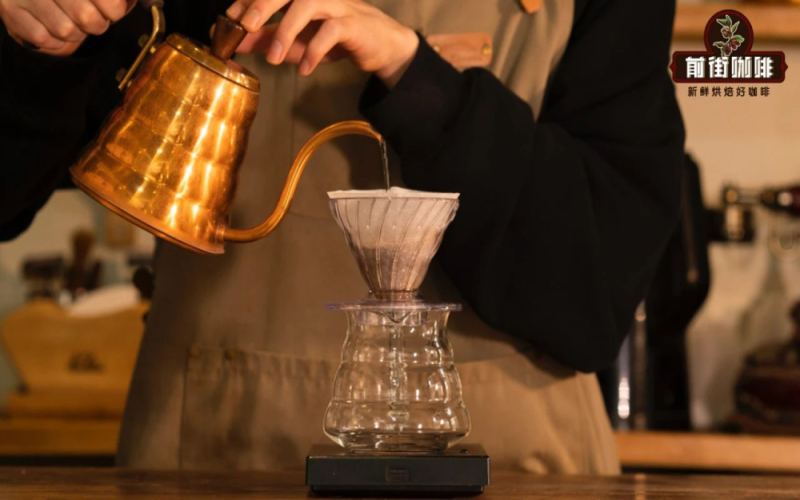
Ice Drip Coffee (Dutch Coffee) | Where Does Ice Drip Coffee Come From, How to Brew It, Its Characteristics and Taste, and How It Differs from Cold Brew
For more specialty coffee knowledge, please follow: Front Street Coffee (Frontsteet Coffee). There are many ways to brew coffee, and the most common is pour-over coffee, but pour-over coffee requires attention to many small details; and today Front Street wants to introduce to you a relatively simple coffee brewing method. [more…]
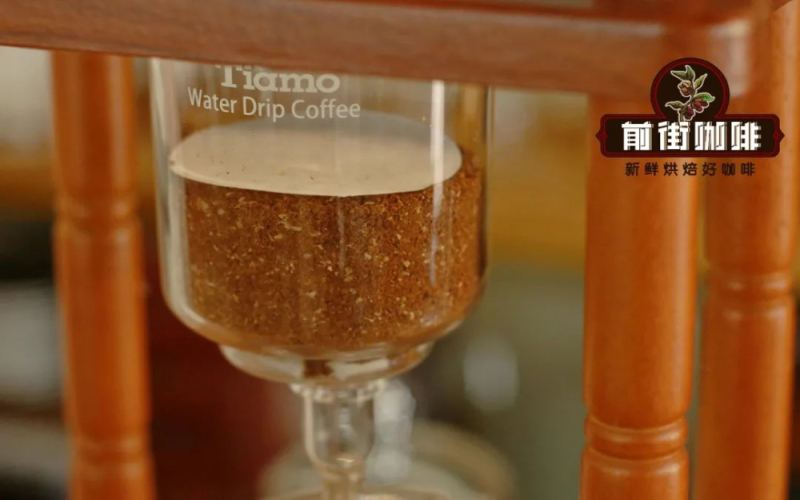
The Origin Legend and Extraction Mechanism of Cold Brew Coffee: Clarifying the Concept of Cold Brewing and a Making Guide
When searching for iced coffee in summer, names like ice drip, ice brew, cold brew, Dutch coffee, and Kyoto coffee always leave people bewildered. What exactly is the difference between these terms? This article starts with the broad concept of cold brew coffee, sorts out the historical origins and extraction principles of ice drip coffee, clarifies the precise meaning of ice brew coffee, and, using Front Street Coffee's store practice as an example, introduces in detail the equipment structure, parameter settings, and operating procedures of ice drip coffee, as well as the flavor directions of several types of coffee beans suitable for making ice drip, helping coffee enthusiasts clarify the concepts and master the methods. [more…]
A Complete Guide to Cold Brew, Ice Drip, and Iced Coffee: Brewing Principles, Historical Origins, and Front Street Coffee's Cold Brew Practical Parameters
In the family of cold-extracted black coffee, the three names cold brew, ice drip, and ice brew often confuse people. What exactly is the difference between them? Why is ice drip also called Dutch coffee or Kyoto coffee? How can you make cold brew coffee so that it is consistently good? This article, from the perspective of Front Street, sorts out the definitions, historical context, and brewing logic of these three coffees, and includes the complete parameters and step-by-step instructions for Front Street Mozart cold brew, helping you understand the ins and outs of cold-extracted coffee in one go. [more…]

Spanish Latte Didn't Originate in Spain? The Birthplaces of Ice Drip and Cold Brew, and the Beautiful Misunderstanding Behind the Name Arabica
There are quite a few interesting trivia facts hidden in the world of coffee: the Spanish latte is actually not a native Spanish drink, but originates from a candy coffee called Café Bombón; the inventor of cold brew coffee was not Japanese either, but the Dutch of the Age of Discovery. Although the cold drip tower is a Japanese improvement, the roots of cold brew as an extraction method lie in the West; and the name Arabica stems from a beautiful misunderstanding—it rose to prominence in Yemen, yet it did not originate in Arabia. Its true homeland is Ethiopia. This article guides you through these coffee trivia facts one by one, while retaining relevant recommendations from the Front Street brand for coffee enthusiasts to gain a deeper understanding. [more…]